by ffadmin | Jun 26, 2014 | Tips & Tricks
If you have unexplainable health concerns, the blame might lay with your diet— even if you think it’s pretty healthy.
The fact is, the food we eat acts as more than just fuel. It is digested and processed by the gastrointestinal (GI) tract, which converts it into usable nutrients which are then absorbed by the body. Home to about 75% of your body’s immune system receptor cells, the GI tract is also rich in neurotransmitters, hormones, chemical messengers, enzymes, and bacteria. Because the digestive process is directly tied to so many other bodily functions, evidence shows that food sensitivities—often linked to grains, gluten, and dairy— can negatively impact other systems in your body, not just the gastrointestinal tract.
In fact, food sensitivities and other GI troubles have been linked to health problems such as:
- asthma
- food or environmental allergies
- mental fog
- moodiness
- acne or skin irritation
- headaches or migraines
- inability to lose weight
- inability to burn stored fat as fuel
…among other things.
Eliminating foods will help cleanse the body of built-up toxins and once you’ve wiped the slate clean, the reintroduction of foods can help pinpoint foods that act as triggers for your health problems. As symptoms subside, or re-emerge, you’ll be able to notice if a certain food corresponds with your body’s negative response.
Déjà vu?
If the principles of an elimination diet sound familiar, they should! Paleo diets, the Virgin diet and Dr. Hyman’s 10-Day Detox Diet all fall under the category. But the Fat Flush Plan established these protocols long before “elimination diet” was a household phrase.
Phase 1 of the Fat Flush Plan, the 2-week detox phase, eliminates two of the most reactive food groups: grain and dairy. This cleansing phase also eliminates sugar, yeast, corn and soy—elements which can create additional bloating and inflammation.
After the 2-week cleanse, Phase 2 (the ongoing weight loss phase) gradually reintroduces small amounts of hypoallergenic carbohydrates, or “friendly” carbs— sprouted-grain tortilla, sweet potatoes, green peas, cooked carrots, and butternut or acorn squash. Starting slow is the best way to gauge your body’s response— if no negative effects show, add another friendly carb the next week.
Phase 3 allows more of the eliminated foods back into your daily diet, including gluten-free grains and dairy, on a limited scale. Noting further responses and reactions is important when reintroducing these elements so you can remove any highly-reactive foods permanently.
Keeping track is the key.
The most important thing when eliminating and reintroducing foods is to pay attention to how your body feels, your sleep patterns, mood, energy levels, digestion and elimination efficiency.
We recommend keeping a journal, not just to log what you eat—although that is important—but also how you felt when you ate that food. A pattern could emerge that may otherwise be overlooked. Calling for these protocols, Fat Flush is designed as an anti-inflammatory diet to improve your body’s ability to access stored fat and use it as fuel. By removing saboteurs from your daily diet, the body can more effectively absorb nutrients, creating energy and more fat.
Have you discovered your own food sensitivities since starting the Fat Flush Plan? Tell us your experience in the comments section!
by ffadmin | May 27, 2014 | Tips & Tricks
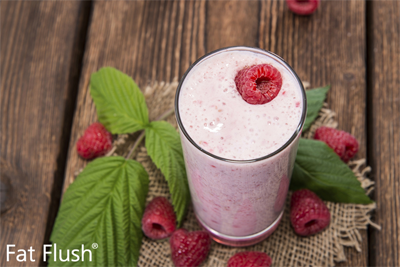
Fruit smoothies are a healthier breakfast than sugary cereal— but they could be falling short of their nutritional potential if you’re inadvertently making these mistakes.
You forgo the fiber.
Fiber—soluble and insoluble— is one of the most underrated, overlooked elements of weight loss and a healthy diet. It sweeps through your system, grabbing fat or lodged waste, and escorts it out of your body. You might be imagining Grandpa, stirring chunks of grass into some water and cringe, but fiber is part of the make up of your favorite foods! Fresh fruit is highly fibrous—think strawberries, citrus, and apples. But fiber-rich foods you may be leaving out of your smoothies are greens like kale and spinach, or chia seeds which is considered one of the world’s most fibrous foods.
Your protein powder is a scoop of sabotage.
Go to your cabinet and check the label on your protein powder. Whether you prefer whey protein or plant protein powder, the ingredients list shouldn’t be as long as your arm. Another thing to watch out for is impurities within the list— junk that doesn’t belong in your protein powder are things like soy, sugar (in all its forms; sucrose, dextrose, maltose), artificial sweetener (in all its forms; aspartame, saccharin, sucralose), and heavy metals. If your protein powder contains tons of ingredients and filler ingredients, chances are it’s burdening your body more than it’s helping.
You’re overloading on fruit.
Fruit is healthy, yes, but it is possible to overdo it. Keep in mind that, although it occurs naturally, fruit is still a source of sugar—fructose, to be precise. When it comes to smoothies, use fruits that are high in health benefits and low in sugar (like berries, cherries and peaches) to help keep the sugar content low without sacrificing the fruity flavor.
You sprinkle some extra sweeteners.
If you’re making a fruit smoothie, adding sweetener—even honey or maple syrup—is pretty unnecessary. (Remember the natural sugar content of fruit we just talked about?) If your sweet tooth has a stronghold, start off by making smoothies with fruits that are especially sweet, like blueberries. The good news is our taste buds change; they will grow accustomed to not “need” copious amounts of flavor enhancers—this is also good news if you are struggling with over-salting your food.
by ffadmin | May 19, 2014 | Tips & Tricks
Cooking at home is the best way to clean up your diet because you know exactly what you’re eating and can carefully consider each ingredient. However, the complete freedom can also be temptation to cheat just a tad— adding an extra dash of this, or pinch of that, is so easy to get carried away with.
Here are some common habits that happen in the kitchen that may be sabotaging your weight loss efforts.
Overusing the oil.
While some oils do have nutritional value, using too much moves beyond beneficial and moves into a high calorie load. We like using olive oil spray when recipes call for oil as a non-stick agent because the spray only dispenses a small amount of oil. Another kitchen trick that works perfectly is using a bit of broth instead of oil! It prevents food from sticking while adding flavor and avoiding extra calories.
One convenient strategy for easy meals that are ready-to-go is to make a double batch, freezing half for later. In a restaurant, you might put half your meal in a to-go box before you even start eating so you’re sure not to overeat. It’s a good idea to do this at home, too! When you make a big batch, put half away before you start serving yourself. This will help you have a more realistic view of how much food is on your plate.
Sticking with the same seasonings.
There are so many herbs and spices available, and they’re packed with nutritional benefits! Don’t get stuck in the “salt and pepper” rut—try some new seasonings methods! Cutting back on salt will also let the natural flavors of the food shine through, without alteration. If you’re used to cooking with lots of salt, start slow— lessening the increment of salt a little at a time, until your taste-buds don’t need salt anymore. (It does happen!) Just as your buds got used to the salty flavor, they will change to not need it anymore. Use the other spices available to help you get away from the salt shaker.
Following the recipe blindly.
The fun thing about cooking is you can make things according to your own taste, literally. Tailoring a recipe to your taste-buds—and health requirements— is important when you’re trying to live a healthy lifestyle. Substitute some not-so-healthy ingredients for a Fat Flush-friendly ingredient, like Mashed Cauliflower instead of mashed potatoes. (Here are a few more healthy substitution ideas!)
Munching too much.
Tasting as you cook is important to adjust seasonings in your dish, but keep in mind that these little nibbles count as intake and will add up. Try having a small snack before you start cooking so you aren’t ravenously hungry, which leads to too much nibbling and ‘testing’. Think sliced veggies or a few almonds.
by ffadmin | May 12, 2014 | Tips & Tricks
Everyone knows that fresh fruits and veggies are an imperative part of a well-rounded diet for weight loss and exceptional overall health. In fact, a study published in the Journal of Epidemiology & Community Health reveals that people who ate at least 7 helpings of produce a day increased cardiovascular health and reduced risk of cancer.
So, how can you pack all those fresh foods into your day? Try a few of these ideas!
Blended
Let’s start slow— smoothies are the obvious go-to for incorporating fruits and veggies into your daily diet. They’re easy to make and easy to take, plus the yummy combinations are endless. When you think of making a smoothie, you probably automatically think of fruits like berries and melon. But don’t discount veggies! Smoothies are an excellent way to get a healthy helping of vegetables like spinach, kale, cucumber, carrots, squash…and more!
Hidden
Adding fruits and veggies to foods you already eat is a simple way to get an extra helping or two. Add a handful of fresh berries to your morning yogurt, some sliced veggies to the wrap you’re having for lunch, or saute them with meat for the Lettuce Wraps you’re making for dinner. Scrambled eggs are also a great way to incorporate some vegetables to your morning routine!
Juiced
Smoothies are one way to drink your vitamins, and juice is another. Whether you make your own juice or buy juice from the grocery store, this is a refreshing—easy— way to get those vitamins. Just be sure to read labels carefully when shopping for juice at the store. It is quite common for juices to have added sugar, fillers, and artificial ingredients. Fat Flush Water calls for 100% unsweetened cranberry juice, and it is important to read the ingredients to make sure that’s what you’re getting.
Swapped
Instead of eating a plate full of pasta, use zucchini ribbon or spaghetti squash instead. Pair those with your favorite sauce and lean protein, and you won’t even miss the pasta! If you’re craving a crunchy treat, bake some Kale Chips instead of reaching for calorie-laden potato chips. Need to satisfy a sweet tooth? Substitute a handful of sweet berries for a piece of sugar-packed candy. This technique might take a bit more planning and creativity than the other methods, but once you get the idea, it will become second nature. (Get more ideas for Healthy Recipe Substitutions here.)
Mixed
This is the perfect idea for when you just need a bit of excitement, something varied and interesting— because sliced cucumber is yummy, but sometimes you just need something different. Mix and match your vegetables in 1 bowl, tossed with a touch of apple cider vinegar and flaxseed oil for a light dressing. (You could even toss some herbs in the bowl, if you have some on-hand.) Tomatoes, peppers, carrots, zucchini, olives…the list goes on and they’re all delicious when you put them together. You could do the same with fruit— although we suggest leaving out the vinegar and flaxseed oil dressing. Mixed berries, apples, orange slices, cherries— whatever fruit you have in the fridge can make a beautifully fresh fruit salad.
What are some of the ways you get a good helping of fresh fruits and vegetables in your day?
by ffadmin | May 2, 2014 | Tips & Tricks
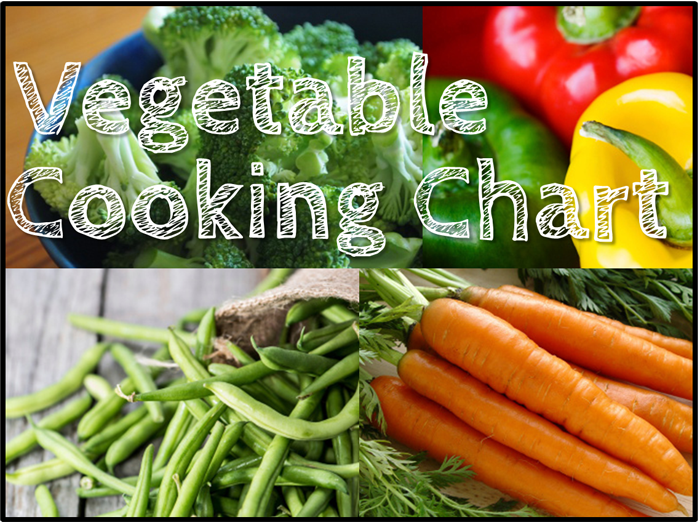
Use this chart as a guide in the kitchen for perfectly cooked vegetables, every time!


