by ffadmin | Apr 23, 2013 | Food & Recipes, Smoothies
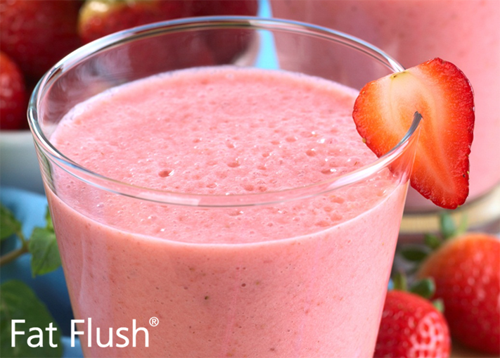
Serves 1
- 8 ounces water
- 1 scoop Fat Flush Body Protein or vanilla Whey Protein
- 6 large strawberries
- 1 tablespoon flaxseed oil
- 1 tablespoon chia seeds
- Ice cubes optional
Combine water, powder, and fruit in a blender until smooth.
Add flaxseed oil and chia seeds, if using.
Blend until all ingredients are incorporated.
Don’t forget the Fat Flush Body Protein or Whey Protein!
*Notes:
If you prefer softer chia seeds, add the seeds and water to the blender first; let sit for 1-2 minutes.
Remember to include ingredients when calculating daily intake allowances.
by ffadmin | Apr 9, 2013 | Tips & Tricks
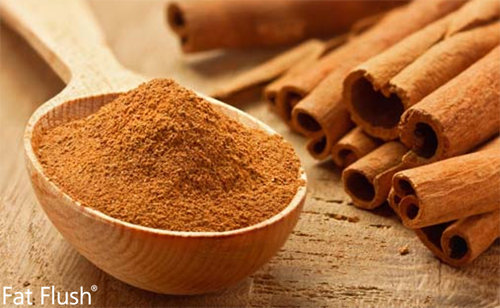
More than just a flavor boost that warms your taste buds, this spice carries multiple health benefits! Here are some of our favorites:
1. Just 1/2 teaspoon of cinnamon a day can lower your LDL (“bad”) cholesterol.
2. It helps keep blood sugar levels in check and increases the amount of insulin your body produces.
3. The spice has antifungal properties, helping your body fight off candida overgrowth.
4. Cinnamon keeps blood platelets from clotting.
5. Honey and cinnamon have been known to relieve arthritis pain.
6. It’s an effective natural remedy for headaches and migraines.
7. Contains antibacterial properties that prevent food spoilage.
8. Offers fiber, calcium, iron, and manganese.
9. Studies show it may reduce proliferation of cancer cells, encouraging hope for prevention and healing.
10. A natural chemical called cinnamaldehyde has shown to improve balance of the progesterone and testosterone hormones.
by ffadmin | Apr 8, 2013 | Tips & Tricks
1. Asparagus
High in potassium, low in sodium, and containing an amino acid called asparagine, asparagus is a veggie that helps fight water retention. The same trio also helps prevent fatigue by neutralizing ammonia, a substance that builds up in our bodies during the digestive process. Asparagus also contains a special carbohydrate called inulin that isn’t digested, but helps feed the good bacteria in the large intestine. This green veggie is also high in vitamins A and C, potassium, phosphorus, and iron. It’s a good source of fiber, zinc and folic acid, which has been shown to reduce the risk of heart disease.
2. Broccoli
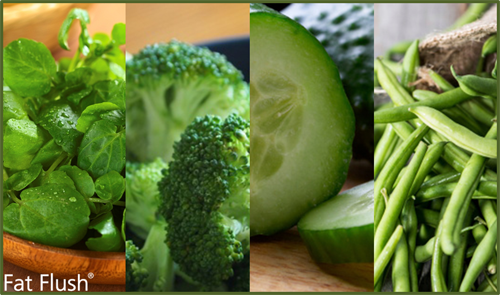
A relative of cauliflower, these green florets are spot on as a source of iron, vitamins A and C, potassium, fiber, folic acid, and calcium. Broccoli also is known for it’s content of pectin fiber which binds to bile acids and keeps cholesterol from being released into the bloodstream. It’s chromium content helps maintain stable blood-sugar levels, which has been found effective in preventing type-2 diabetes.
3. Cabbage
One of the world’s oldest vegetables, cabbage is a powerhouse for cancer-fighting nutrients such as vitamin C, fiber, and the two phytochemicals sulforaphane and indoles. These two compounds help detoxify the body, ridding it of cancer-producing substances, including excess estrogen. A number of studies hvae shown that women who eat cabbage regularly reduce their risk of breast cancer by 45 percent. Cabbage also has powerful antibacterial properties as well. It has a high amount of glutamine, an amino acid that nourishes cells that line the stomach and small intestine.
4. Cucumber
Mostly water, cucumbers help hydrate your body and reduce excess water weight. They are also high in fiber, silica, potassium and magnesium. Cucumbers are also packed with vitamin C which can help calm irritated skin and reduce swelling. Silica is a key component of healthy connective tissue, so cucumbers help build strong muscles, tendons, and bones.
5. Kale
One of the top vegetable sources for vitamin A, kale also provides more nutritional value for fewer calories than almost any other food. 1 cup of kale contains an abundance of manganese, a trace mineral that helps produce energy from protein and carbohydrates. It’s also a top source of calcium, lutein (eye protection), iron, plus vitamins A and C. The high fiber content helps reduce cholesterol and keep blood-sugar levels under control.
6. Watercress
A member of the lettuce family, these leaves have a an anticancer compound known as phenylethyl isothiocyanate, or PEITC. Watercress also offers generous amounts of vitamins A and C, calcium, folic acid, potassium, and iron. It boosts kidney efficiency and is a natural diuretic, reducing water retention and bloating.
7. Zucchini
A relative of the melon and the cucumber, zucchini is a good source of vitamins A, B, and C, potassium, magnesium, and fiber. The magnesium content reduces the risk of heart attack and stroke, while the potassium helps bring down high blood pressure.
8. Spinach
A strong source of vitamins A and K, spinach also offers a healthy helping of iron and folate. These little leaves are also a good source of antioxidants like beta-carotene, manganese, zinc and selenium which all combat the onset of osteoporosis and high blood pressure.
9. Bell Peppers
An excellent source of carotenoids, vitamins A, and B, folate and fiber, these peppers are a sweet and crunchy addition to any dish. They are also a top source for vitamin C, the body’s natural protecting vitamin.
10. Green Beans
High in vitamins A and antioxidants like lutein, zea-xanthin, and beta-carotene, green beans are powerful in protecting the body against free radical damage. The zea-xanthin is also effective in preventing age-related macular disease because it provides protective UV light filtering in the eyes. Green beans are also a good source for a healthy amount of minerals like iron, calcium, magnesium, and potassium which are essential for your body’s metabolic processes.

by ffadmin | Mar 6, 2013 | Tips & Tricks
Straight from the members of the Fat Flush Forum, here are some basics you should keep in mind when starting up on the Fat Flush Plan.
1. We love ground flaxseed not flaxmeal. Keep in mind, flaxmeal is ground too finely but milled or ground flaxseeds are barely broken up. Chewing whole flaxseeds won’t do the trick because they are pretty tough and will simply pass through your system intact.
2. Cran-water is not just any ol’ cranberry juice. It needs to be made with unsweetened cranberry juice or unsweetened cranberry juice concentrate. No added sugars! If it tastes too tart, adding sweetener is not recommended. After all, you avoided additive sweeteners when you bought the juice, right? Try diluting it with a bit more water.
3. A bout of irregularity…is regular. Changing your diet drastically can shock your system and result in constipation or diarrhea. For constipation, we recommend more magnesium. Also be sure to drink more water and eat more veggies! These are things that will naturally get things “moving”. For diarrhea, be sure you are using a probiotic.
4. Feeling hungry? Eat more! (Approved veggies, that is.) The veggies on the approved list are unlimited, so if you’re feeling hungry the only thing between you and a satisfied tummy is the space between you and a handful of cherry tomatoes (or whatever your favorite vegetable is). Eating often keeps cravings away and keeps your blood sugar balanced.
5. Recipes are mere suggestions. You don’t have to follow each recipe to the letter— if you don’t like onion, leave out the onion. Sticking with the general eating protocols and “legal” foods is what’s important. Get creative!
6. Don’t see it on the “approved” list? It isn’t approved. Each food was included, or left off, because of it’s impact on your body and how it’s metabolized. That’s why the food list is so strict in phase 1 and Smoothie Shakedown— when you take out the trash, you bag it all up and take it all out, you don’t leave little pieces laying around here and there. Phases 2 and 3 start to add in more foods and have more allowances, but until you get there…stick with the specifically approved foods!
Still have some burning questions? Visit the forum>>
by ffadmin | Jun 27, 2012 | Broths & Soups, Fat Flush Soup, Food & Recipes
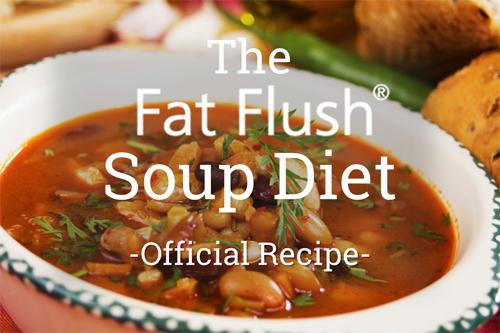
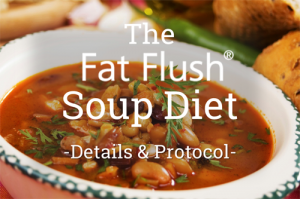 Originally featured in the October 3, 2011 issue of Woman’s World magazine, the trendsetting Fat Flush Soup Diet has helped people beat bloat and toxins while emulsifying fat.
Inspired by a study at Penn State that found eating soup can trigger you to consume up to 448 fewer calories per meal, this satisfying soup is an easy go-to recipe to help jumpstart long term weight loss or bust through a plateau.
It’s Souper Easy!
The Fat Flush Soup is deliciously easy to make! The slimming ingredients include:
-Warming and earthy flavor-filled spices like cumin, for example, which helps the digestive system by relieving abdominal distention and gas and helps to alleviate migraines and headaches.
– Ample amounts of vitamin-rich veggies to fulfill your body’s nutritional needs, plus anti-oxidants that will protect your cells and slow the aging process.
– Lean ground protein (like beef, turkey or chicken) that is an important building block for bones, muscles, cartilage, skin, and blood .
– Fiber-filled beans to dramatically reduce appetite while regulating blood sugar and making you feel fuller—faster.
Daily Protocol:
- Start the day with a protein rich breakfast in the morning. We suggest two eggs or a plant protein smoothie with 20 grams of clean vegetarian-based protein per serving to help kick-start glucagon, the protein-based hormone that mobilizes fat from storage.
- Savor the soup twice a day— preferably at lunch and dinner.
- Throughout the day, sip on herbal teas, hot water with lemon, Cran-Water or plain water. The key is to consume at least 64 oz. of liquid.
Personalized Adjustments and Additions
Our signature soup recipe goes on to the next level by individualizing weight loss and recommending very special ingredient “add-ins” that address the top four weight gain triggers most commonly experienced by frustrated dieters: a sluggish thyroid, burned out adrenals, a toxic liver, and yeast overload.
Boost mood and brain power: Feeling tired, blue, and foggy? Try adding a little seaweed gomasio. Seaweed, rich in thyroid-nourishing iodine, helps ensure healthy production of the thyroid hormone.
Kill carb cravings: Feeling carb cravings and GI distress? Replace the mushroom (which are a fungus and can increase Candida growth in people with sensitivities) with 1/2 cup of grated daikon (a mild Japanese radish). Daikon contains digestive enzymes that help break down fat and clear out toxins. You may also choose to double the garlic (4 cloves, total) or add 1 small peeled and chopped eggplant.
Amp up adrenals: Feeling stressed, light-headed, or craving salt? Add 4 to 5 cups of spinach or escarole while the soup is simmering. Stress causes the adrenals to increase their cortisol output (keeping stress levels high), but increasing levels of magnesium suspends the stress cycle and gives the adrenals a chance to recharge.
Take care of toxins: Feeling bloated or have reoccurring headaches? Increase the amount of cilantro to 1/2 cup. The herb binds to heavy metals and speeds their excretion via the kidneys (bypassing the liver, reducing its filter burden.) Also try adding 1 tsp. of turmeric to the basic recipe. It’s anti-inflammatory action restores the liver’s ability to clear trapped fat and toxins.


