
by ffadmin | Jul 29, 2013 | Tips & Tricks
Herbs and spices are much more than flavor enhancers. These seasonings are Fat Flush favorites because they can boost metabolism, keep blood sugar levels stable, nourish the liver, aid digestion, and even act as potent antioxidants.

by ffadmin | May 29, 2013 | Beverages, Physical Wellness, Tips & Tricks
You’ve seen Fat Flush Water all over the web, but does it really get results?
Over 25 years ago the Fat Flush concept was introduced by creator Ann Louise Gittleman in her first book, Beyond Pritikin, with the Two-Week Fat Flush. The Fat Flush Plan and the 4 other Fat Flush books that’ve followed were featured as New York Times bestsellers.
While the Fat Flush diet plans have evolved over the years to incorporate the latest in slimming research, the main principle of detoxifying the liver to accelerate weight loss remained.
A liver clogged with poisons, toxins and excess fats cannot perform its fat-burning duties. Freeing up the liver to do its job may be the single most important step you can take to reach your weight loss goals.
In the fat-burning process, drinking plenty of water is essential to keep you system flushed and allow your liver and lymphatic system to function properly — we always recommend drinking half your body weight (pounds) in ounces of water daily.
But, what about this “Fat Flush Water” — will it actually flush the fat?
Over the years, we’ve learned that with popularity comes imitation, so we weren’t surprised to see a guest on Dr. Oz promoting a “new” Fat Flush Water. Since then, you’ve probably seen it on Pinterest or Twitter or maybe even a blog or two, and the pictures do look delicious and refreshing. It is a lovely way to add a nice citrusy flavor to your water, but does this “Fat Flush Water” live up to all the hype? Does it really flush fat?
First, let’s look at the ingredients — water with a sliced grapefruit, a sliced tangerine, ½ a cucumber and a few peppermint leaves floating in it.
These are healthy foods with qualities that can be helpful during weight loss — peppermint helps with digestion, grapefruit contains an antioxidant flavonoid that can increase insulin sensitivity, tangerines are a rich source of vitamin C which stimulates the liver’s premier antioxidant (glutathione), and cucumbers have diuretic properties.
However, infusing your water is giving you almost none of the benefits of simply eating these foods, and quite honestly, isn’t flushing the fat.
 A Fat Flush Water that really makes cellulite vanish!
The good news is we do have a Fat Flush Water that really does flush out bloat and stubborn fat deposits. It works so well that we’ve heard from Fat Flushers who have lost as much as 6 to 7 lbs of backlogged water weight in the first day!
Our signature Fat Flush Cran-Water contains water mixed with pure unsweetened cranberry juice — how simple is that? You can mix it up in the morning and sip on it throughout the day — we recommend 64-ounces (eight 8-ounce glasses) daily.
Cranberry juice is a natural diuretic and packed with flavonoids, enzymes and organic acids such as malic acid, citric acid, and quinic acid which have an emulsifying effect on stubborn fat deposits in the lymphatic system. The lymphatic system — the body’s “garbage collector” — transports all kinds of waste products not processed by the liver. With the help of the organic acid components, cranberry juice digests stagnated lymphatic wastes. This explains why so many Fat Flushers report that their cellulite disappears!
Even if you’re not following a specific diet or trying to lost weight, you can sip this tart and refreshing beverage daily to help flush out water weight, balance blood sugar, improve cellulite and keep your liver and lymph in optimum cleansing mode.
Here’s the Original Fat Flush Cran-Water recipe…
- 1 ounce 100% pure unsweetened cranberry juice*
- 7 ounces water
Mix water and unsweetened cranberry juice together in a large glass.
To save time during the day, mix a full batch (64 ounces) in the morning -- add 1 cup (8 oz) cranberry juice to a half-gallon container and fill the rest with water.
*Look for brands like Knudsen, Trader Joe's, Mountain Sun, or Simple Truth available at your supermarket or health food store.
Enjoy — Let’s drink to flushing fat and busting bloat with our signature cranberry Fat Flush Water! 
For 30 FREE Fat Flush Recipes, download our Taste of Fat Flush Cookbook
by ffadmin | Apr 9, 2013 | Tips & Tricks
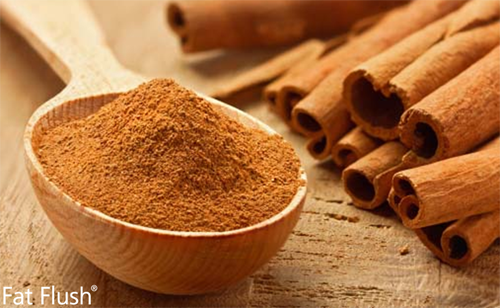
More than just a flavor boost that warms your taste buds, this spice carries multiple health benefits! Here are some of our favorites:
1. Just 1/2 teaspoon of cinnamon a day can lower your LDL (“bad”) cholesterol.
2. It helps keep blood sugar levels in check and increases the amount of insulin your body produces.
3. The spice has antifungal properties, helping your body fight off candida overgrowth.
4. Cinnamon keeps blood platelets from clotting.
5. Honey and cinnamon have been known to relieve arthritis pain.
6. It’s an effective natural remedy for headaches and migraines.
7. Contains antibacterial properties that prevent food spoilage.
8. Offers fiber, calcium, iron, and manganese.
9. Studies show it may reduce proliferation of cancer cells, encouraging hope for prevention and healing.
10. A natural chemical called cinnamaldehyde has shown to improve balance of the progesterone and testosterone hormones.
by ffadmin | Apr 8, 2013 | Tips & Tricks
1. Asparagus
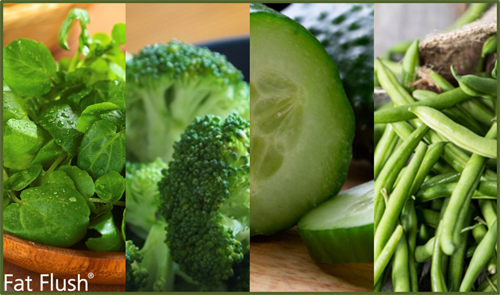
High in potassium, low in sodium, and containing an amino acid called asparagine, asparagus is a veggie that helps fight water retention. The same trio also helps prevent fatigue by neutralizing ammonia, a substance that builds up in our bodies during the digestive process. Asparagus also contains a special carbohydrate called inulin that isn’t digested, but helps feed the good bacteria in the large intestine. This green veggie is also high in vitamins A and C, potassium, phosphorus, and iron. It’s a good source of fiber, zinc and folic acid, which has been shown to reduce the risk of heart disease.
2. Broccoli
A relative of cauliflower, these green florets are spot on as a source of iron, vitamins A and C, potassium, fiber, folic acid, and calcium. Broccoli also is known for it’s content of pectin fiber which binds to bile acids and keeps cholesterol from being released into the bloodstream. It’s chromium content helps maintain stable blood-sugar levels, which has been found effective in preventing type-2 diabetes.
3. Cabbage
One of the world’s oldest vegetables, cabbage is a powerhouse for cancer-fighting nutrients such as vitamin C, fiber, and the two phytochemicals sulforaphane and indoles. These two compounds help detoxify the body, ridding it of cancer-producing substances, including excess estrogen. A number of studies hvae shown that women who eat cabbage regularly reduce their risk of breast cancer by 45 percent. Cabbage also has powerful antibacterial properties as well. It has a high amount of glutamine, an amino acid that nourishes cells that line the stomach and small intestine.
4. Cucumber
Mostly water, cucumbers help hydrate your body and reduce excess water weight. They are also high in fiber, silica, potassium and magnesium. Cucumbers are also packed with vitamin C which can help calm irritated skin and reduce swelling. Silica is a key component of healthy connective tissue, so cucumbers help build strong muscles, tendons, and bones.
5. Kale
One of the top vegetable sources for vitamin A, kale also provides more nutritional value for fewer calories than almost any other food. 1 cup of kale contains an abundance of manganese, a trace mineral that helps produce energy from protein and carbohydrates. It’s also a top source of calcium, lutein (eye protection), iron, plus vitamins A and C. The high fiber content helps reduce cholesterol and keep blood-sugar levels under control.
6. Watercress
A member of the lettuce family, these leaves have a an anticancer compound known as phenylethyl isothiocyanate, or PEITC. Watercress also offers generous amounts of vitamins A and C, calcium, folic acid, potassium, and iron. It boosts kidney efficiency and is a natural diuretic, reducing water retention and bloating.
7. Zucchini
A relative of the melon and the cucumber, zucchini is a good source of vitamins A, B, and C, potassium, magnesium, and fiber. The magnesium content reduces the risk of heart attack and stroke, while the potassium helps bring down high blood pressure.
8. Spinach
A strong source of vitamins A and K, spinach also offers a healthy helping of iron and folate. These little leaves are also a good source of antioxidants like beta-carotene, manganese, zinc and selenium which all combat the onset of osteoporosis and high blood pressure.
9. Bell Peppers
An excellent source of carotenoids, vitamins A, and B, folate and fiber, these peppers are a sweet and crunchy addition to any dish. They are also a top source for vitamin C, the body’s natural protecting vitamin.
10. Green Beans
High in vitamins A and antioxidants like lutein, zea-xanthin, and beta-carotene, green beans are powerful in protecting the body against free radical damage. The zea-xanthin is also effective in preventing age-related macular disease because it provides protective UV light filtering in the eyes. Green beans are also a good source for a healthy amount of minerals like iron, calcium, magnesium, and potassium which are essential for your body’s metabolic processes.

by ffadmin | Mar 6, 2013 | Tips & Tricks
Straight from the members of the Fat Flush Forum, here are some basics you should keep in mind when starting up on the Fat Flush Plan.
1. We love ground flaxseed not flaxmeal. Keep in mind, flaxmeal is ground too finely but milled or ground flaxseeds are barely broken up. Chewing whole flaxseeds won’t do the trick because they are pretty tough and will simply pass through your system intact.
2. Cran-water is not just any ol’ cranberry juice. It needs to be made with unsweetened cranberry juice or unsweetened cranberry juice concentrate. No added sugars! If it tastes too tart, adding sweetener is not recommended. After all, you avoided additive sweeteners when you bought the juice, right? Try diluting it with a bit more water.
3. A bout of irregularity…is regular. Changing your diet drastically can shock your system and result in constipation or diarrhea. For constipation, we recommend more magnesium. Also be sure to drink more water and eat more veggies! These are things that will naturally get things “moving”. For diarrhea, be sure you are using a probiotic.
4. Feeling hungry? Eat more! (Approved veggies, that is.) The veggies on the approved list are unlimited, so if you’re feeling hungry the only thing between you and a satisfied tummy is the space between you and a handful of cherry tomatoes (or whatever your favorite vegetable is). Eating often keeps cravings away and keeps your blood sugar balanced.
5. Recipes are mere suggestions. You don’t have to follow each recipe to the letter— if you don’t like onion, leave out the onion. Sticking with the general eating protocols and “legal” foods is what’s important. Get creative!
6. Don’t see it on the “approved” list? It isn’t approved. Each food was included, or left off, because of it’s impact on your body and how it’s metabolized. That’s why the food list is so strict in phase 1 and Smoothie Shakedown— when you take out the trash, you bag it all up and take it all out, you don’t leave little pieces laying around here and there. Phases 2 and 3 start to add in more foods and have more allowances, but until you get there…stick with the specifically approved foods!
Still have some burning questions? Visit the forum>>



